
When we were planning our trip to Peru, Jack and I decided that if there was one trek we were going to do in Peru, it was going to be the Huayhuash Trek. Even though it had some ‘I swear this is the last trek we’re doing!’ moments – looking back at it, we’d do it again in a heartbeat. The Huayhuash Trek was definitely worth the time and money. We think it’s the most underrated trek in Peru (if not the world). It’s still one of the best and most memorable hikes we’ve ever done. And we’ve done so many.
I’ve spent some time thinking of the best way to tell our 10-day adventure on the Cordillera Huayhuash – and decided that a Q&A way is the best way to go to share with you guys about the highlights and lowlights of the Huayhuash Trek.
I have to admit that some of these are very tangentials but hope you enjoy reading them none the less.
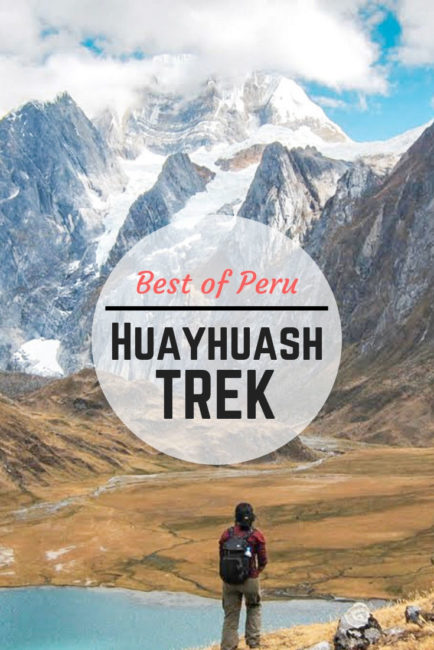
Facts on Huayhuash Trek
- The Huayhuash trek is 180 km (112 ml) long and can be done from as short as 8 days to as long as 14 days. We’ll be doing it in 10 days.
- For its (relatively) compact size, Cordillera Huayhuash packs a punch. It has 30 peaks, 6 of them are over 6000 m.
- We’ll be going over 8 passes – all of them between 4600m – 5000m in altitude, most of the walking will be done over 4000 m in altitude.
- The Huayhuash goes around the Cordillera Huayhuash, Peru, which is next door to its more famous cousin: Cordillera Blanca.
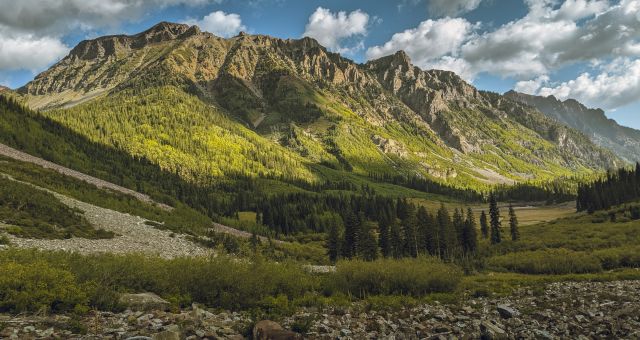
- All of the trek is over the treeline and because of that the sceneries promises to be spectacular.
- The mountain range contains Siula Grande – a mountain that became the background of the harrowing story of Simon and Yates in ‘Touching the Void‘.
- During the 90’s, the mountain range was rarely visited due to an active terrorist presence by a group called ‘Sendero Luminoso’ or ‘Shining Path’. After a trekker was shot and killed by the rebel, the Peruvian government closed the area for several years.
- We’ve been warned against not only of the danger of altitude sickness, but also of aggressive dogs who’d run after you on the trail, and then steal your food from the campsite.
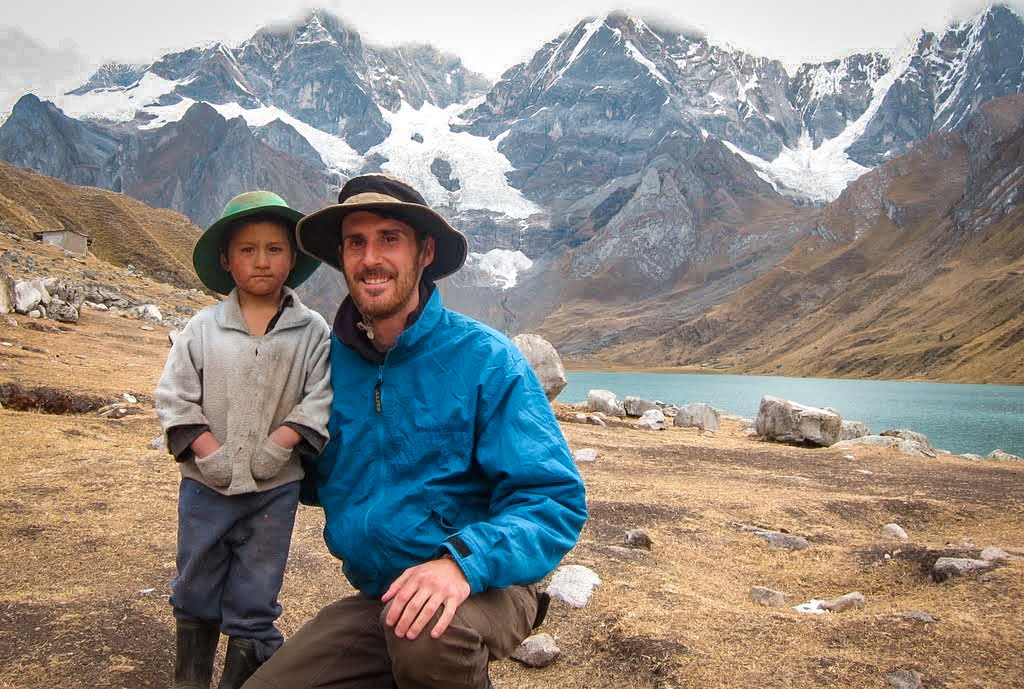
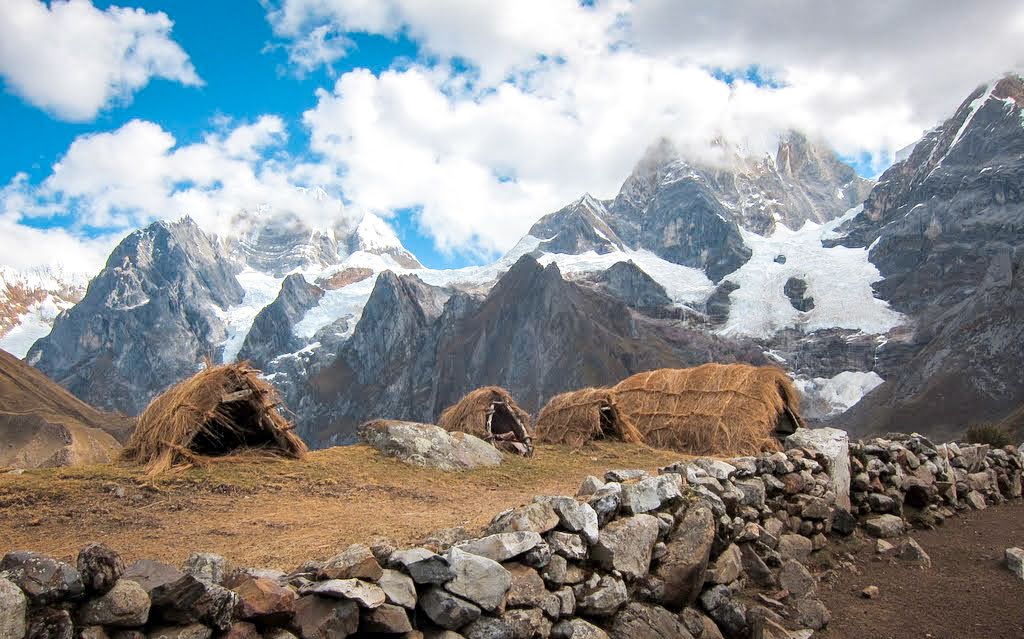

Our newfound friends.
Jack and I have done some multi-day treks before, but Huayhuash Trek will be the first trek we’ve done…
At such a high altitude (4000 – 5000 m)
Oxygen will be a rarity. Considering that I got sick when climbing Mt. Whitney (at 4500m) I’m a little worried. We’d have been in Huaraz (3000 m) for a week and will have done some day hikes at around 4000m – but it’s still mostly be a crapshoot how your body will react to such an altitude.
Fortunately coca leaves (known to help prevent altitude sickness) are neither illegal or rare in this part of the world. As of a matter of fact, many trekkers drink tea out of coca leaves throughout the day to help dealing with altitude.
Where we’re going to have a guide and donkeys
All the treks we’ve done in the past were done independently. But due to a combination of altitude, length and lack of own gear we’ve decided to get an agency for Huayhuash. That means having donkeys to carry our stuff, a cook, and a guide. So all we have to do is walk. Tsk, should be easy enough, right?
There are those who are of course doing this trek independently, carrying everything on their back and existing solely on protein powder to save weight — now they’re hardcore (read: slightly mental).
Where our meals won’t consist of re-dehydrated rice and ramen day after day
I imagine there would be days when the promise of a hot meal at the end of the day is what would keep us going. A promise of a hot AND non-ramen meal AND we don’t have to cook it ourselves? Gosh, we’re getting spoiled here!
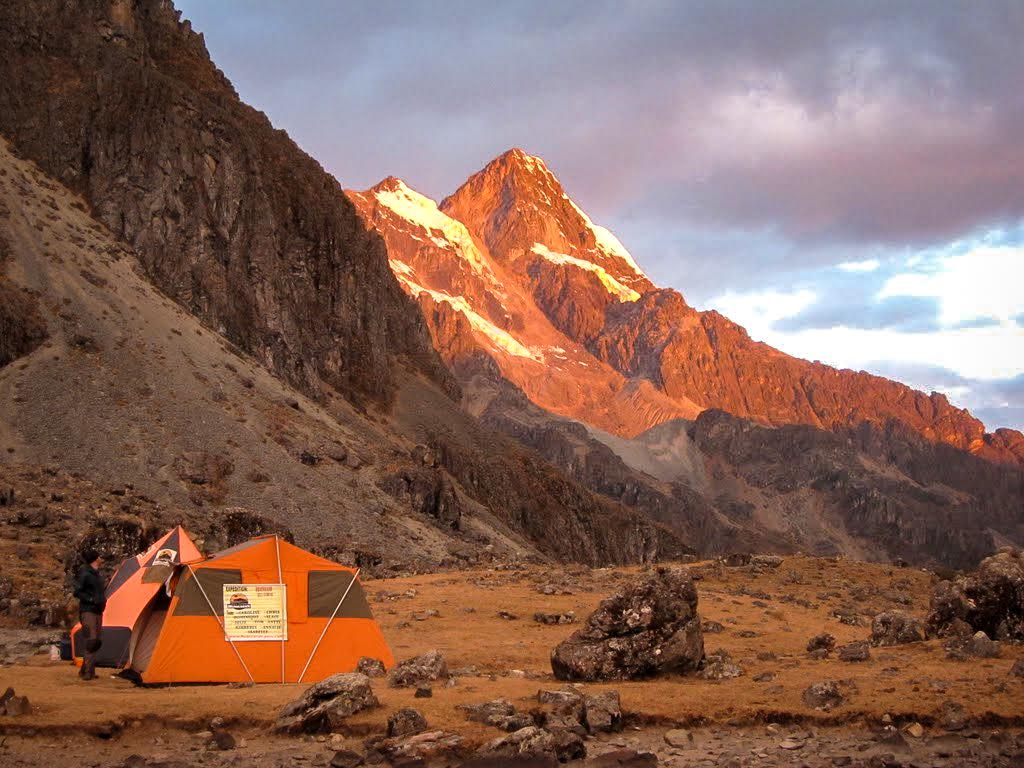

Huayhuash Trek map
Our Huayhuash Trek experience
The Basics
- Was the Huayhuash Trek worth it?
- Starting point of the trek?
- Can you do Huaraz Trek independently?
- How can I do the Huayhuash Trek?
- Can anybody do the Huayhuash trek?
The Cost
- How much did the trek cost?
- Which agency did we go with?
- How did you find the group and the agency?
- How was the food quality and quantity?
On the Mountains
- How many hours do you walk per day?
- What was a typical day is like during the trek?
- Did you sleep well?
- What did you do when you’re not walking up and down mountain passes?
- What did you think about when walking?
- What was the hardest days on the Huayhuash Circuit?
- Did you get to see amazing sceneries every day?
- What’s your favorite scenery?
- How many times did you end up going #2 on the trail?
- You talk a lot of bathroom and #2 here. Why?
- Most memorable character you encountered during the trek?
- What was this about being peed by a dog?
- What was this about killing a sheep?
Misc
- Do you have tips on trekking the Huayhuash Circuit?
- Should I visit Huaraz? Should I do the Huayhuash trek?
First, was the Huayhuash Trek worth it?
Ah, such a difficult question to answer. See, it all depends on your own past experience. Was it worth it for us? YES. Yes, it was. We do enjoy being around mountains and we started to think that we’re a little masochistic as well.
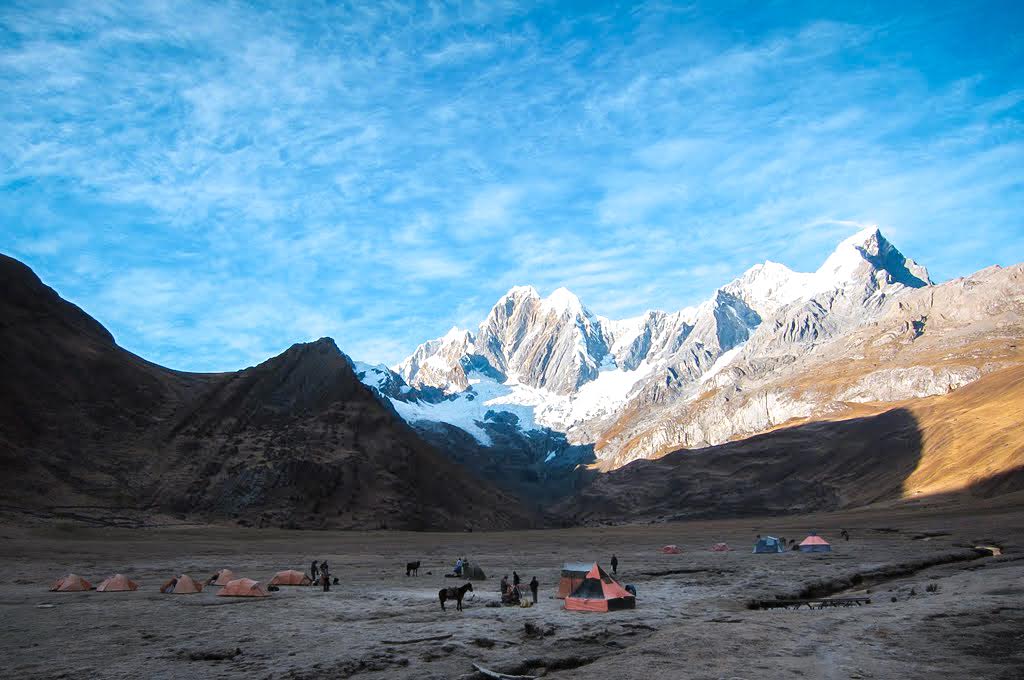
We saw some amazing scenery – definitely some of the best we’ve seen in our lives. For us, it was worth it not only for the scenery, but like other endeavors that push your limit, it was worth it for the sense of accomplishment as well.


Beautiful sceneries abount on the Huayhuash Trek
How much did the Huayhuash Trek cost?
It came down to about $40 a day (so for 10 day – it was $400). Which is on the higher end of things. You can definitely go with a cheaper agency – as cheap as half the price.
But I’d like to think that the higher price means that the staff are being paid well and the donkeys are treated humanely. And that we wouldn’t have to worry about sub-par equipment and running out of food.
Starting point of the trek?
The nearest town to the trailhead is Huaraz in Northern Peru, an 8 hour bus ride from Lima. Peru has some of the best long-distance bus companies: Cruz del Sure and Ormeño are the 2 companies we’ve used and recommend. Huaraz is a backpacker/outdoor friendly city and you’ll be able to find everything you need to start your Huayhuash adventure. We recommend acclimatizing yourself for a few days by doing day hikes from Huaraz before setting off to do your trek. Laguna Peron and Laguna 69 are some of the most popular day hikes from Huaraz that you can do to get yourself a little taste of what’s coming 🙂
How did you find the group and the agency?
Getting a group together for the Huayhuash Trek turned out to be more difficult than we thought. They don’t go as often as the Santa Cruz trek (more popular and shorter treks).
2 gringo cafes in Huaraz: Cafe Andino and California Cafe have a community board with posts from people who want to form a group. Through this and LP’s Thorn Tree Forum we managed to get a small group together and formally formed a group with Huascaran. Other people joined afterwards.
Which agency did we go with?
We knew that we wanted to go with either Huascaran Adventure or Quechuandes – 2 agencies that came highly recommended and received the least number of complaints (according to South American Explorer). We decided to go with Huascaran because a person in our group has just come back from the a trek with them and had nothing but good things to say about them.
But we also chatted to the people from Quechuandes and they seemed to be running a pretty solid company there. I wouldn’t hesitate to have gone with them either.
What was the hardest days on the Huayhuash Circuit?
2 days come to mind. The first was what I believe to be either the 4th or the 5th day – it was one of the steepest climbs we had to do. (I alluded to this on the previous post) But on top of that…
Jack hadn’t had any sleep in 2 days – and I was battling a shy colon and 2 days worth of… well, you know. And did I mention the altitude? We were hiking above 4000 m in height where even a walk out of the tent to pee at night would leave us gasping for breath.
The second hardest day was the one day we did 2000 m in elevation changes. That’s right. 6000 ft in one day. In the morning we climbed down 1000 m, and in the afternoon we climbed up 1000 m. PAINFUL.
Did you get to see amazing sceneries every day?
No. I’d say the best sceneries were found on the first 2/3 of the trek. And I guess after that we just became a little desensitized to the sceneries around us (which was still amazing – but relatively less so.)
What’s your favorite scenery?
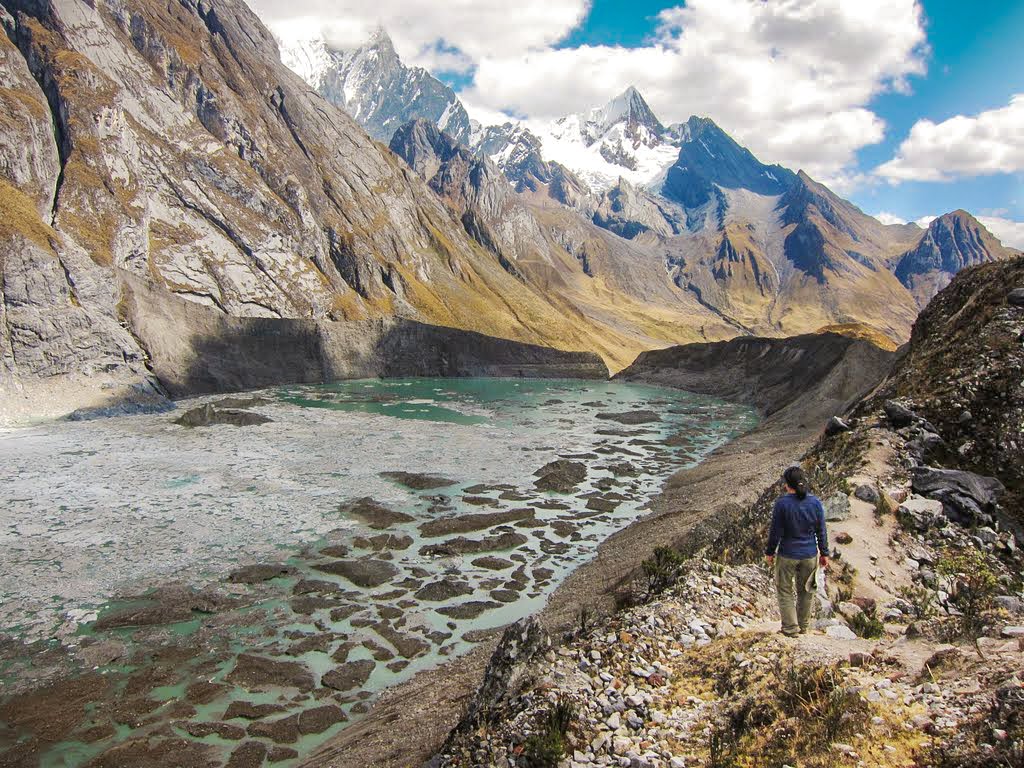
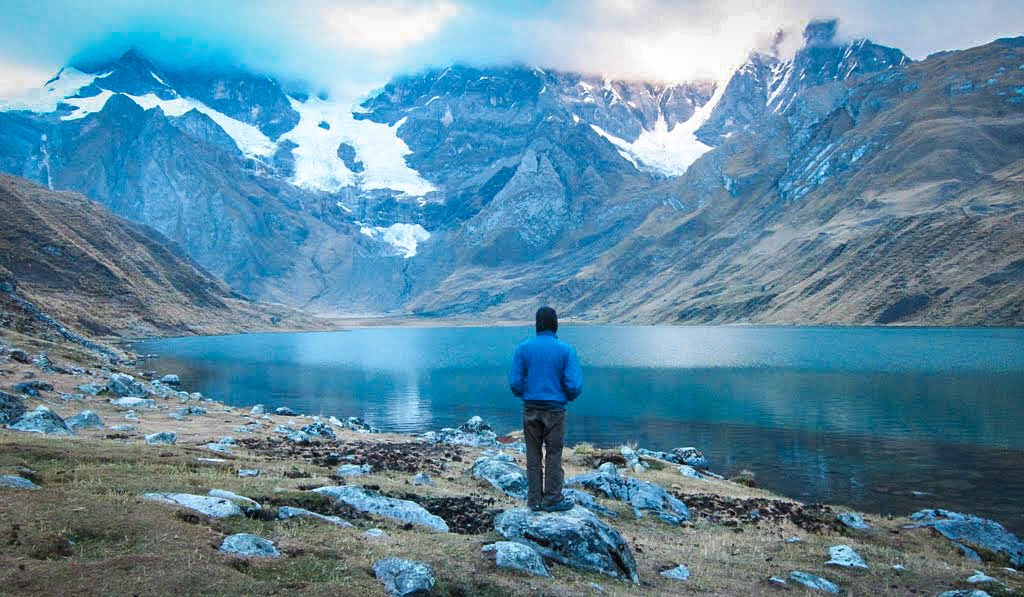
This is tough one. We’d say the most memorable one was a very short side trip to an lake covered with floating ice pieces.
It was the setup that took our breath away – a short but steep scramble up a hillside and there lies unexpectedly and unseen from below a lake of turquoise color with a glacier fed waterfall on one side, snow-covered peaks in the background and hundreds of little ice plates floating on it.
Breath taking.

Just another breathtaking scenery on the Huayhuash Trek
What was a typical day is like?
Around 6:30 in the morning, Epy – our guide – would wake us up with his signature ‘Buenos dias, matecito de coca…’ – and handed us a cup of coca tea and a bowl of hot water to wash ourselves to start the day.
We’d groggily drag ourselves out of our frost-covered tent (a daily occurence) to do our morning ablution and pack our sleeping bags.
Breakfast varies from delicious cheese omelette to grey watery sludge that the Brits like to call ‘porridge’. During breakfast, the staff breaks down our tent and start loading the donkeys. Then around 8 am or so we’d start walking until around 1 pm, then lunch and a siesta. At this point the donkeys carrying our stuff and the rest of the staff would pass us on their way to our next camp.
Then a couple of hours more of walking. Arrive in camp (between 2 – 4pm) – and relax. Play cards and socialize with fellow trekkers.
We tend to go to bed soon after the dark (because it gets really cold) – like around 8 pm. Repeat.
How many hours do you walk per day?
On average we did about 7-8 hours of walking every day.
Did you sleep well?
Surprisingly yes. Surprising because Jack and I usually are bad tent sleepers. We get cold easily.
We were provided with a down jacket, an inflatable air mat, and a regular foam mat. Some of the tents were 4-season tent with solid wall throughout – so it does get quite warm inside.
Tip: we’d fill up our Nalgene bottle with hot water right before we go to bed just for that extra ‘oomph’ in comfort.
How was the food quality and quantity?
Obviously we can only talk about our experience with Huascaran, but we were happy with what was provided.
Example breakfast: oatmeal, omelets, pancakes with hot chocolate, coffee and/or tea.
Example lunch: ceviche, fried rice, potato salads.
Example dinner: soup for appetizer followed by entrees such as lomo saltado (stir fried pork), spaghetti, chicken stew, and then dessert.
Every morning we were given a snack bag that contains a piece of fruit, and 2 pieces of chocolate bars or cookies.
They gave you the same amount of food regardless whether your’re a weightlifter or a 90-lb supermodel. So if you tend to run hungry, I’d suggest bring extra foods. We weren’t starving but we weren’t swimming in leftovers either. Some people in the group got sick and lost their appetite so the other trekkers get to eat their shares. Maybe they were counting on that?
The same thing applies for snacks. If you’re not into junk food, bring your own stash of dried fruits and nuts.
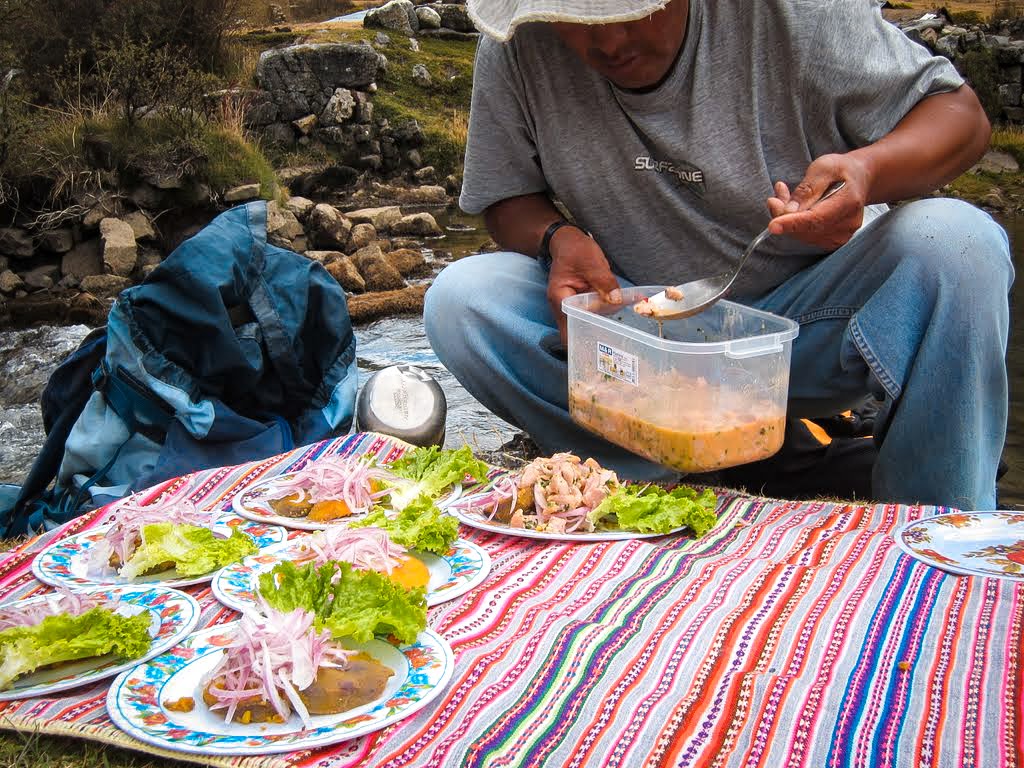
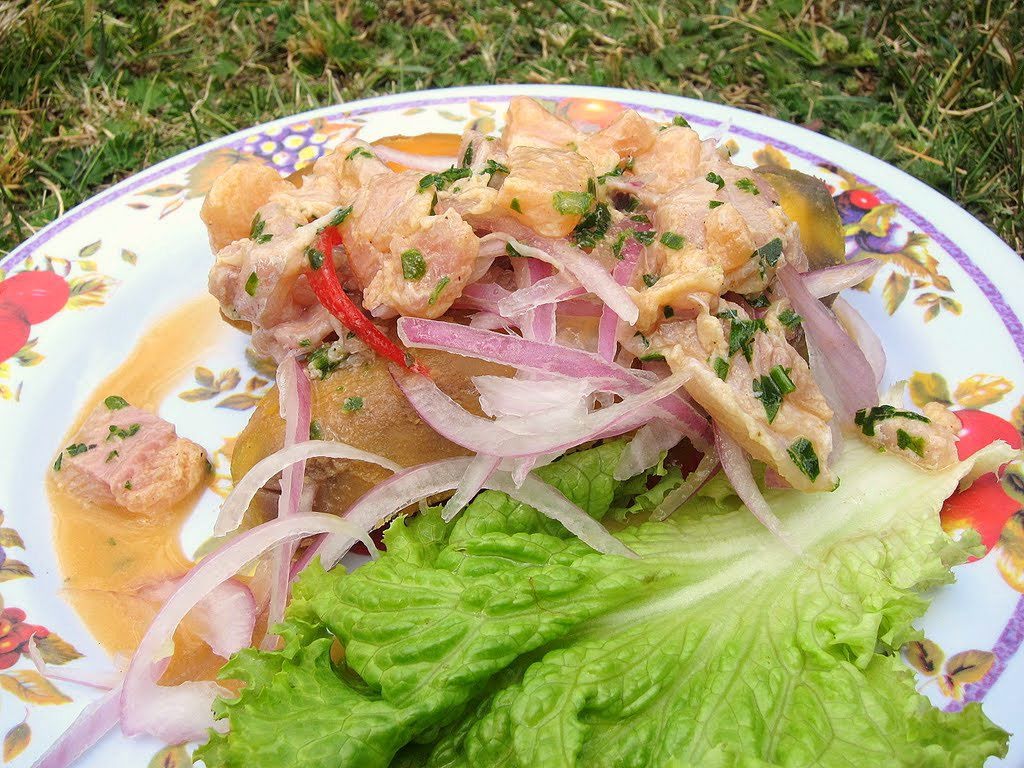

We stopped at a village to get some potatoes that they proceeded to cook with heated stones, buried underneath straw and dirt.
Q: What did you do when you’re not walking up and down mountain passes?
Not much really. We played countless of ‘shithead’ (it’s an actual card game – I’m not making it up) and talked about bowel movements (as you do).
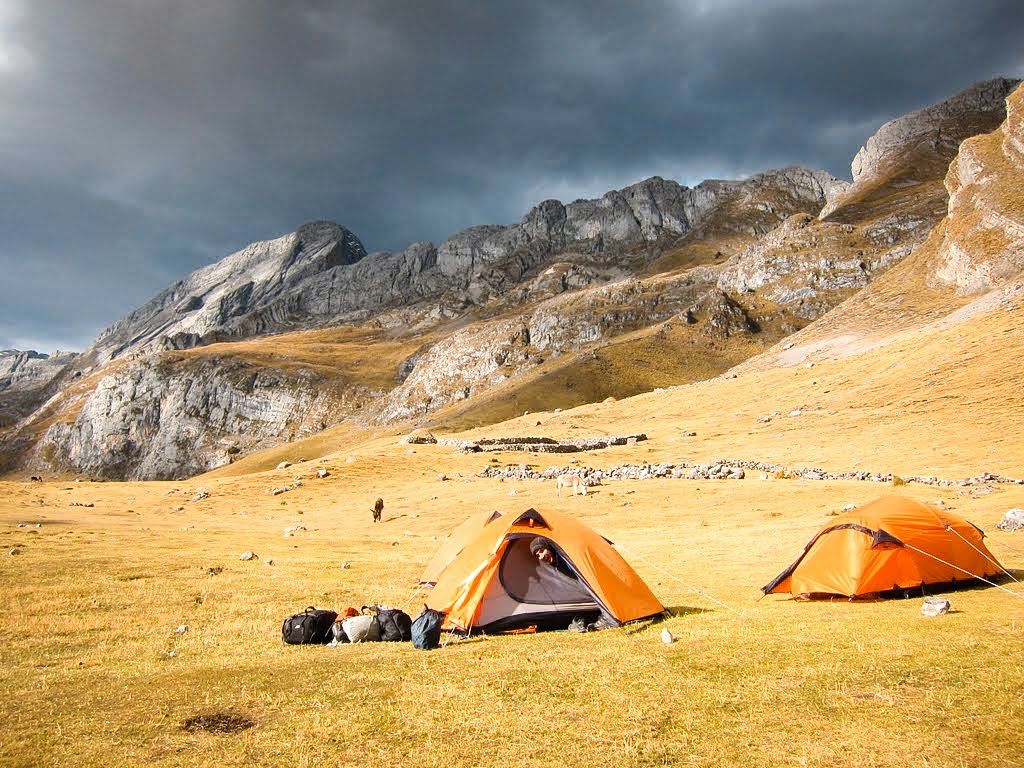
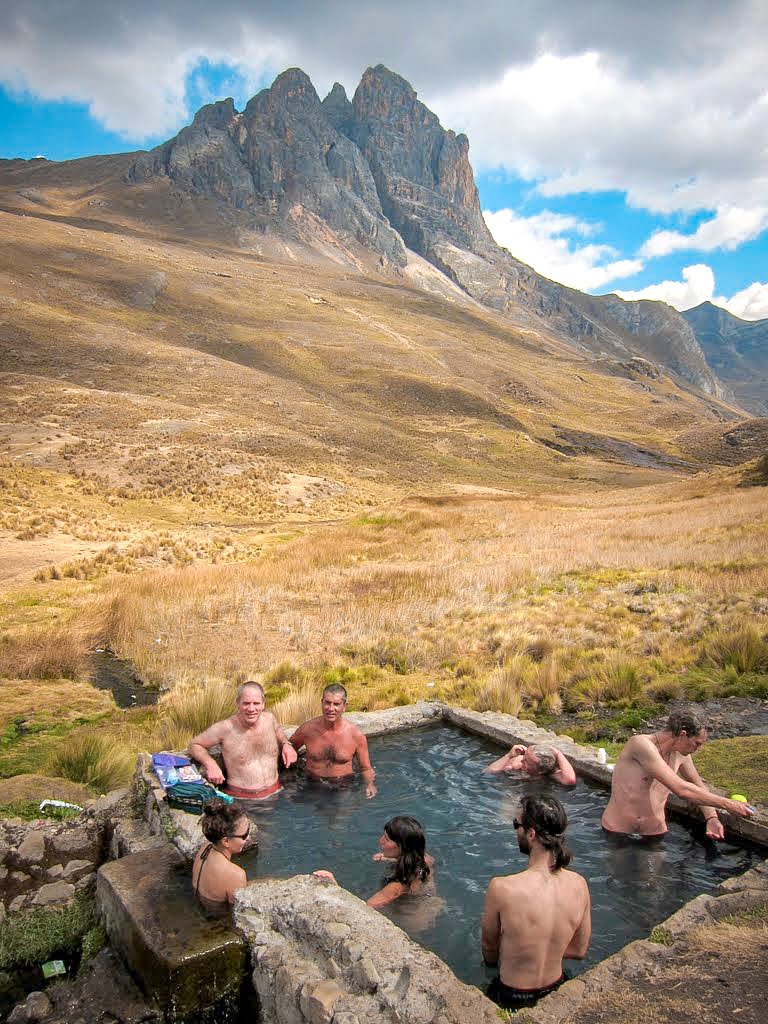
On day 5, our campsite happened to have a natural thermal bath that most of us didn’t fail to take advantage of. I can easily imagine this bath to have the prettiest natural setting of any baths out there.
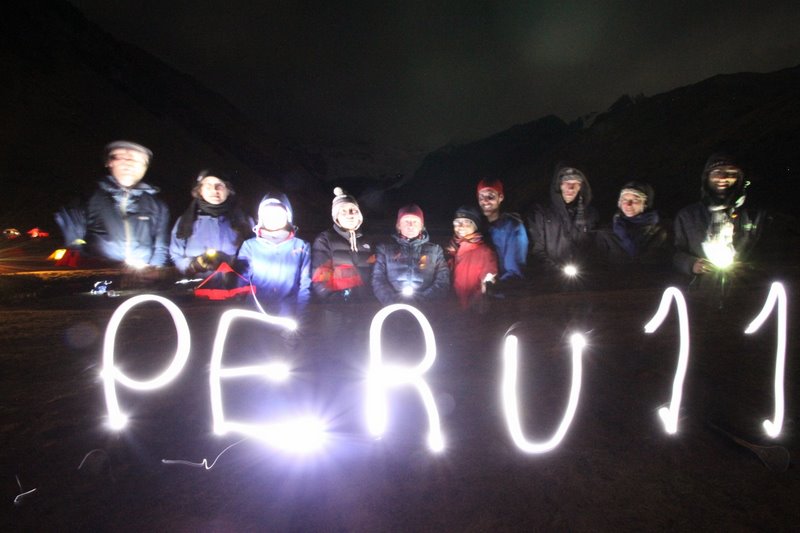
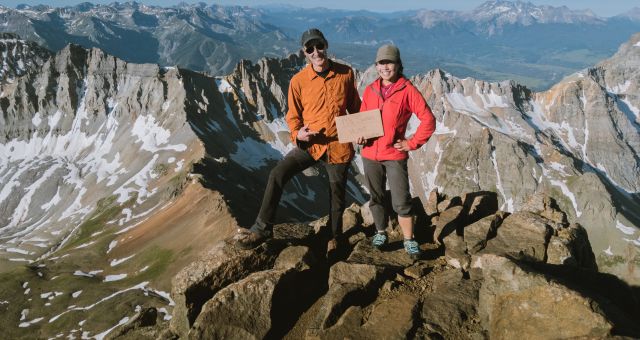
And oh, and we practiced coordination as a group so we could take pictures like this:

Morning frost
What did you usually think about when walking?
Jill – most of the times I zone out and just focus on breathing and pacing myself out. Usually I accidentally kick a rock every 15 mins or so that would yank me out of my zen – this was usually followed by about 30 secs of cursing or so. Funnily enough I only do this with my right foot (the kicking – not cursing. My right boot is more worn out then my left).
Jack – I thought about pizzas and beer mostly. I think starting from about day 7, this was what pretty much everybody in the group had in mind based on our conversations.
How many times did you end up going #2 on the trail?
Oh gawd, too many to count unfortunately. I really hate going to the bathroom free-styling it off the trail. See, back in the states there are all sorts of rules of how and where to go to the bathroom in the wilderness. Here – you can practically go anywhere and however you want.
And people did. Behind every rock of convenient size, you’ll find traces of previous trekkers’ bathroom habit – dirty toilet paper and more. Nobody digs a hole or anything. I hate feeling that we’re contributing to the mess.
But when you’ve got to go, you’ve got to go.
Quoting a fellow trekker who was suffering from a bout of diarrhea – ‘There’s nothing worse than feeling that every step you’d take, you’ll end up shitting yourself’.
You talk a lot of bathroom and #2 here. Why?
It’s weird but it does seem that you put a bunch of trekkers together, the coversation topic invariably would include bathroom habits and gems such as ‘burps that smell like poo’. It’s sort of understandable considering that altitude sickness and stomach problem were two of the main causes of illness among trekkers.
7 out of 10 within our group were affected by stomach issue during the Huayhuash Trek.
Most memorable character you encountered during the trek?
Vomit the Dog. Who, what? Well, one person in our group spent a couple of nights vomiting outside the tent – fortunately, one of the dogs that hung around the site happened to be nearby to lap it all up. Thus the name.
Despite his gross habit, Vomit was the happiest dog I’ve ever seen and charmed the socks off of everyone in our group. If you read this post and decide to do the Huayhuash trek, do keep a look out for him (we’d love to hear about how he’s doing!). He hangs out in the last campsite before exiting to Llamac (second to last day).


Vomit the dog kept us company for some time. He was our mascot for awhile and we were all so sad when we had to say goodbye to him.
Q: What was this about being peed by a dog?
Humpy (guess how he got his name) – another campsite-roaming dog – was not too happy that I was playing around with Vomit and decided that he’d mark me as his in the only way a dog would know. Yep, that’s right. I got peed on by a stray dog.
I didn’t even realise it until much later. However flattered I was that a dog was getting jealous of me, it wasn’t a pleasant feeling (to put it mildly) wearing a pee-covered jacket for the rest of the evening.
Thankfully it happened during the second to last day of our trek so I didn’t have to deal with it for too long. And a good thing too it was a rental.
And killing a sheep?
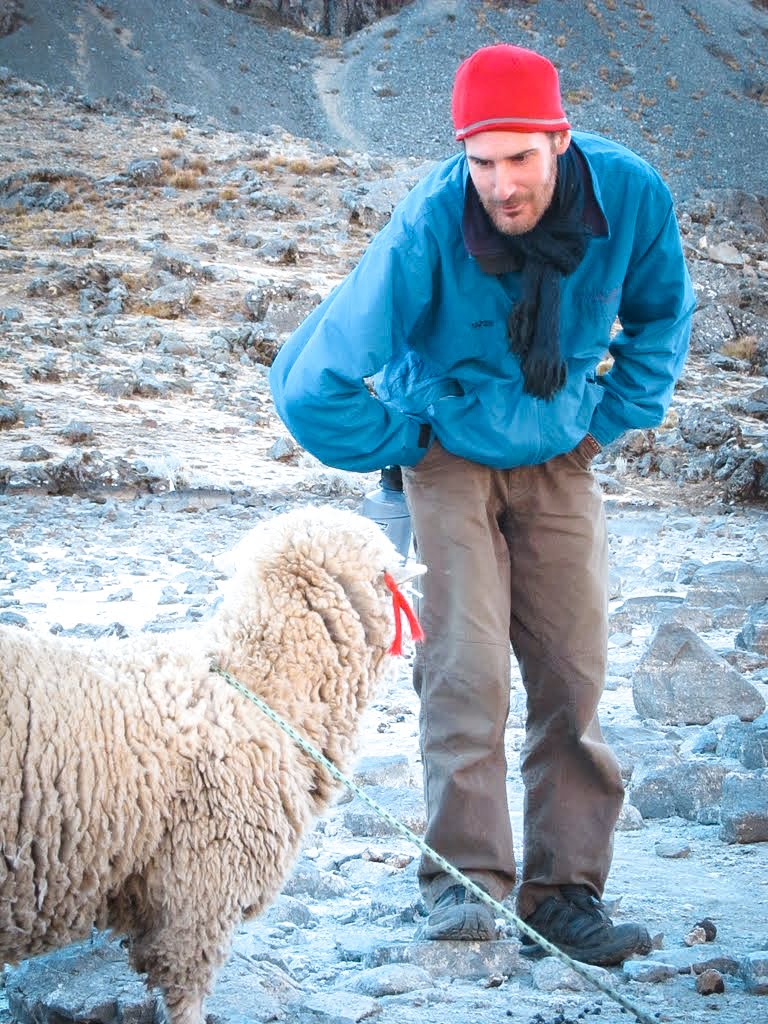
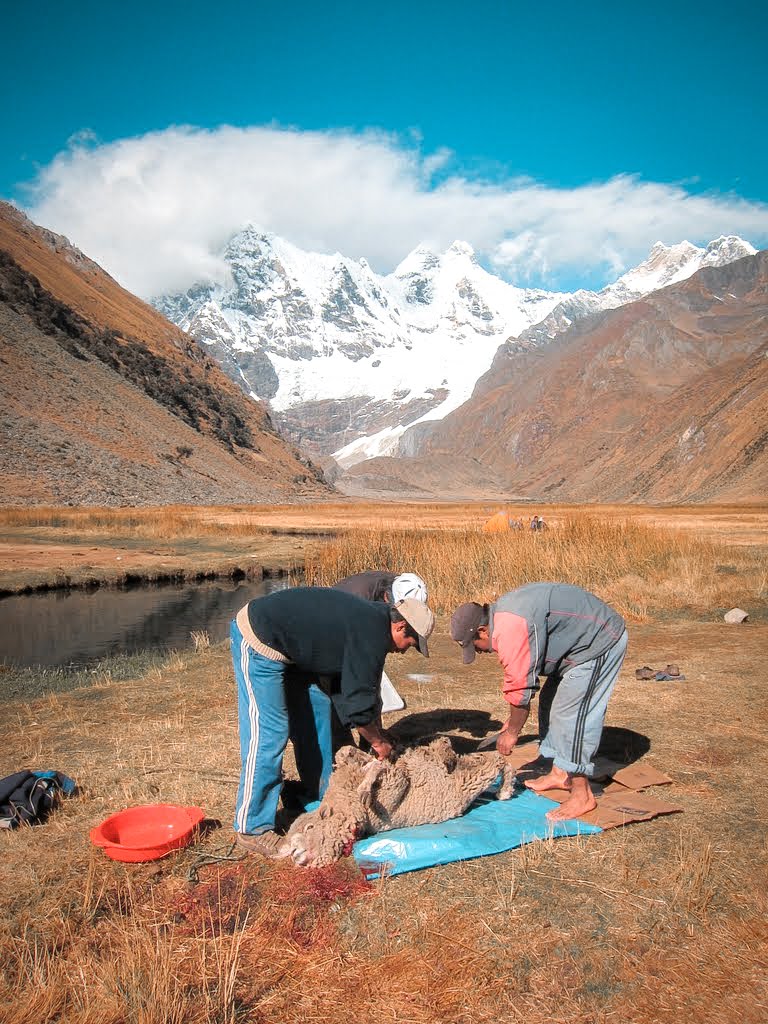
The group decided to buy and butcher a sheep for a Pachamanca feast (Pachamanca refers to a Peruvian style of baking using hot stones) during the last day of the trek. That was the first time Jack and I had ever witnessed a mammal being killed. It turned out to be more traumatizing than I’d like to admit really.
Of course it didn’t help that we named the sheep. The fact that we named him ‘Tasty’ is besides the point.
Can anybody do the Huayhuash trek?
If we can do it, anybody can. We’re not the world’s biggest couch potatoes, but neither are we that kind of people who walk around talking about how they survived solely on protein powder for 2 weeks and battling polar bears while backpacking the Artic Circle .
The one thing to remember is to acclimatize well. Can’t seem to stress this enough. Spend a couple of days in Huaraz (or a week like we did) and do some day hikes to the nearby lakes.
General tips on trekking in Huaraz
- Acclimatize well.
- Check your equipment beforehand. Jack and I rented our sleeping bags and jackets from Huascaran and were pleased with them. A person in our group wasn’t so lucky and his rental sleeping bag has lost all of its insulating power and slept cold most of the nights. Or bring your own.
- Sleeping liner When I rent sleeping bags, I always use a sleeping bag liner (like this one) for extra warmth, also for the ‘ick’ factor.
- Layer well. I love my Smartwool mid-weight baselayers in combination with a synthetic midlayer, and a puffy. A beanie, a Buff neck warmer, and gloves if needed.
- Insist on having an emergency horse (cheaper agencies might not include this). One person in our group ended up being so sick and ended up riding the horse during the toughest day of the hike.
- Don’t go with the cheapest agencies. They’re known to pay the staff horribly. We’ve heard stories about groups running out of food or subsisting solely on bread and crackers. As we were leaving, we came across a group at the trailhead who had to turn back to Huaraz after waiting for 2 days because their donkeys and guide never showed up.
- Bring wide spectrum antibiotics. For those stomach bugs – the second most common problem among trekkers in the area after the altitude sickness.
- Bring a pack of dried coca leaves and a first aid kit. Chewing on coca leaves help with altitude sickness even though they taste really gross. Also don’t count on your guide on having a well-stocked first aid kit (or know the proper way to administer them).
- Bring a pack (or two) of cards and learn some group card games. Not that I didn’t enjoy ‘shithead’ but after day 5 – I started wishing that somebody knew some other card game to play.
Can one do Huayhuash Trek independently?
For sure.
I think for regular folks like you and me it will be tough, but we’ve met some on the trail who were doing it by themselves.


Never ending sceneries
3 ways to do the Huayhuash Trek
For the regular mortals: get an agency who will take care everything for you, including donkeys to carry the majority of your stuff and staff to make you food and clean up afterwards.
For the hardcore trekkers on a budget: arrange to have an arriero (donkey man) and a group of donkeys yourself. And a chef if you think you need one – you know, the whole staff. It’s basically how I imagine they did expeditions in the old days.
Your Spanish must be better than average to do this of course. And it might be a good idea to know how to read a map (the trails were not obvious all the time). You’re usually expected to cover the meals for the people you hire and sort out the food, logistics, and supply situation yourself.
For the superheroes: do everything yourself. Carry your own food, tent, and whatever it is you need on your back. Simply don that backpack and set out into the wilderness. Donkeys are for losers.

Couldn’t have done it without these guys.
—

We were lucky with gorgeous blue sky for most of our days.

The best way to do a 10-day trek is by taking a bunch of porters and donkeys with you 🙂
Should I visit Huaraz? Should I do the Huayhuash trek?
We honestly think that if you’re reasonably fit and you love being around mountains – you should definitely get yourself to Huaraz, Peru to do one of the many treks this area has to offer. This area around Huaraz is so beautiful we could’ve stayed for much longer. Only the onset of winter drove us away to chase the summer further south. We also loved the trekking possibilities around Cuzco, but to be honest… we still prefer Huaraz. It’s wilder. It’s more rewarding. It’s more in all the right ways.
Now whether or not you should do the Huayhuash Trek, well hopefully we’ve answered some of the questions you might have.
Any other questions? – off tangent or not, let us know in the comment section below.

Questions and Comments
Comments are disabled. If you have any questions about the post, you can DM me on Instagram: @jacknjilltravel.